If you work in renewable energy or climate tech at a senior level (but outside the development or planning function) you’ve probably had to sit through conversations about planning applications without being entirely sure what was actually being discussed. You know it’s important. You know it takes a long time. You may even know it’s derailed a project or two.
This piece is for you. I’ve spent years preparing, submitting, and steering planning applications through this process. Here’s what you actually need to understand about how it works, and why getting it right matters more than most people realise.
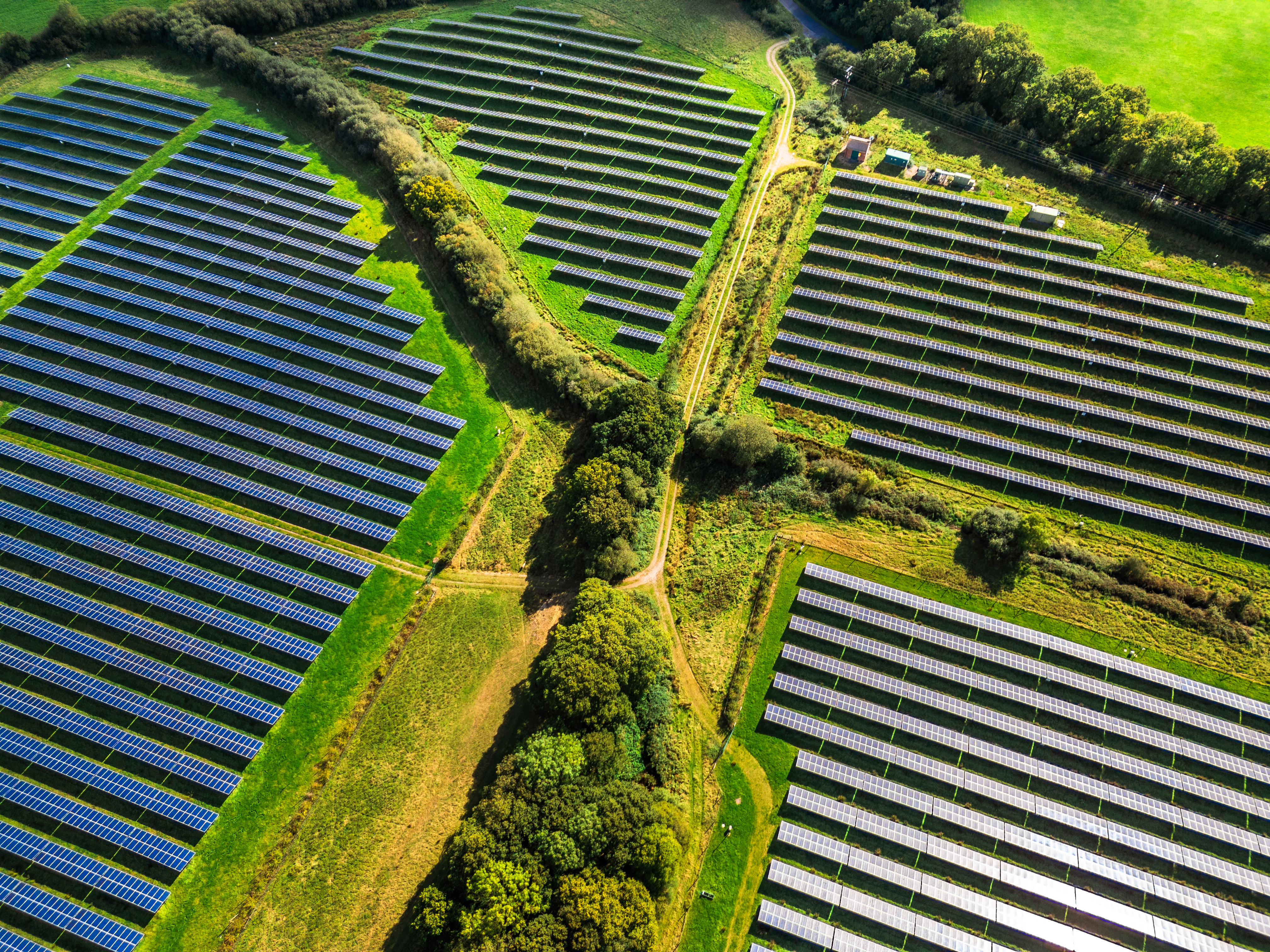
What is the English Planning System?
Planning permission is the formal consent required before most significant development can take place in the UK. It exists to give local communities and government a say in how land is used, balancing the needs of developers, landowners, residents, and the environment.
In England, the system is administered by Local Planning Authorities (LPAs), which are typically your local district or borough council. Their job is to assess planning applications against a set of policies (primarily the local authority’s own Local Plan) and the national framework set out in the National Planning Policy Framework (NPPF).
For larger or nationally significant projects (such as major solar farms over 100MW) applications bypass the LPA and are decided instead by the Planning Inspectorate under the Nationally Significant Infrastructure Projects (NSIP) regime. However, for most renewable energy projects, it’s the LPA that matters.
The process differs slightly for projects in Scotland, Wales, and Northern Ireland (and will be covered in a future piece).
Before You Apply: The Pre-Application Stage
A common misconception is that you simply fill in a form and submit. In practice, well-run projects invest significant time before submission in what’s called the pre-application stage.
This typically involves:
- Pre-application advice: Most LPAs offer a paid service where you can present your proposals to planning officers and get early feedback. Quality varies enormously by authority, but it can be invaluable for identifying showstoppers early.
- EIA screening and scoping: One of the first questions to answer is whether your project triggers the need for a formal Environmental Impact Assessment (EIA). This is determined by a screening process, based on thresholds and criteria set out in UK regulations (derived from the EU EIA Directive). If your project is screened in, you then go through a scoping stage formally asking the LPA which environmental topics they require you to assess. This shapes the specialist work you’ll need to commission.
- Community engagement: Increasingly expected (and sometimes required) before submission, particularly for large renewable energy schemes. Hosting a public exhibition or running an online consultation shows good faith and can gather useful feedback from the community ahead of formal submission.
- Technical surveys: Many surveys have seasonal windows (e.g. breeding bird surveys in spring). Starting these early, often 12-18 months before you plan to submit, is essential. Miss the window and you’ve lost a year.
Pre-application isn’t glamorous, but it’s where projects are won or lost before anyone at the council even opens a file.
Preparing a Valid Application
Once you’re ready to submit, you need to compile an application that meets the LPA’s validation requirements. An application that doesn’t meet these requirements will simply be returned; the clock doesn’t start until the council deems it valid.
A typical planning application for a renewable energy project in England includes a planning statement (the policy case for the development), a design and access statement, an environmental statement or set of technical assessments covering ecology, landscape, heritage, transport, drainage and, increasingly, a community benefit statement setting out what the project is offering locally. Each of these involves specialist consultants. A major solar farm application might cost £250,000–£500,000+ to prepare properly — the planning application fee alone can easily exceed £50,000. This is why developers take lease options on land rather than purchasing it outright: they need to de-risk the planning process before committing capital.
The Application Process: What Happens After You Submit
Once validated, the planning system operates to statutory timescales, though in practice these are routinely exceeded.
1. Statutory Consultation
After validation, the LPA notifies statutory consultees — bodies that must be given the opportunity to comment. For a renewable energy project this typically includes Natural England, Historic England, the Environment Agency, the local highways authority, the Civil Aviation Authority, National Grid, and relevant parish councils.
These consultees are formally given 21 days to respond, but in practice that deadline is rarely enforced. Case officers continue to accept and incorporate new comments right up until the officer’s report is drafted, and will include late responses in an addendum if they arrive between the report and the committee meeting. No consultee is ever truly “iced out”; the dialogue stays open throughout.
The LPA also publicises the application to local residents, who can submit representations. Anyone can comment, but only material planning considerations carry weight with the officer.
2. The Officer’s Assessment
A planning officer is assigned to the application. Their job is to assess it against relevant policies and produce a planning officer’s report: a detailed document that weighs the case for and against and makes a recommendation.
For a complex renewable energy project, this report might take 6-18 months to produce, depending on the complexity of the application, the volume of representations, and the capacity of the LPA. Requests for additional information (called further information requests) are common and pause the determination clock.
Good applicants maintain an active relationship with their case officer throughout by answering queries promptly, flagging potential issues early, and building trust. Planning is a human process as much as a technical one.
It’s also worth emphasising that this is a collaborative process by design. When a consultee or member of the public raises a legitimate concern — say, insufficient information about bat activity on the site, or a problem with the proposed construction traffic route — the developer can and should respond by submitting amended drawings or additional surveys. This isn’t a sign of weakness; it’s how the system is meant to work, and the result is a more robust project.
3. Planning Committee vs. Delegated Decision
Most planning applications in England are decided by officers under delegated powers. This means that the case officer’s recommendation becomes the decision without going to committee. However, applications that are:
- Large or controversial
- Subject to significant public objection
- Called in by a local councillor
…will typically go to planning committee. This is a meeting of elected councillors (usually 9-15 members) who hear presentations from the case officer, the applicant, objectors, and supporters before voting.
Planning committee can be unpredictable. Councillors are accountable to their constituents, not to planning policy, and while they must make decisions on material planning grounds, committee dynamics can introduce an element of local politics into the process. Presenting at committee is a skill in itself.
4. The Decision
The committee (or delegated officer) will either:
- Grant permission: usually subject to a list of planning conditions (e.g. pre-commencement ecology surveys, construction management plans, decommissioning obligations)
- Grant permission subject to a Section 106 agreement: a legal agreement between the developer and the council, often covering community benefit contributions, habitat management, or highway works
- Refuse permission with stated reasons, usually tied to specific policy conflicts
Timescales vary. The statutory target for major applications is 13 weeks, but for complex renewable energy schemes, 18-24 months from submission to decision is common. Some applications take longer.
After the Decision: What Comes Next
A planning permission is just the beginning. Before construction can start, any pre-commencement conditions attached to the consent must be formally discharged — each typically requires its own submission and LPA sign-off. If the application is refused, the applicant can appeal to the Planning Inspectorate, though major appeals take 12–18 months and are expensive. And grid connection — an entirely separate process — is increasingly the longer pole in the tent for renewable energy projects.
Why This Matters If You’re Leading a Renewables or Climate Tech Company
Planning is often treated as a back-office function; something the development team handles while everyone else gets on with the commercial and technical work. That’s a mistake.
Planning risk is project risk. A £500k application that gets refused, or stalls in the system for three years while a grid connection expires, has real consequences for a company’s pipeline, its investor commitments, and its ability to deliver on net zero targets. The decisions made at pre-application stage (e.g. which surveys to commission, when to engage the LPA, how to frame the policy case) directly determine whether a project reaches consent and on what timeline.
Understanding the planning system well enough to ask the right questions is a genuine commercial advantage. Is the programme realistic given survey windows and LPA capacity? Has the EIA scope been formally agreed, or are we guessing? What does the Local Plan say about renewable energy in this area — and if it’s silent or hostile, what’s the strategy? If we get a refusal, what does that do to the project economics?
These aren’t technical questions, they’re strategic ones. And they’re the difference between a project that gets built and one that doesn’t.
A Final Word
The planning system is imperfect, slow, and sometimes maddening. But it exists for a reason: to give communities a genuine say in how their local environment changes. When it works well, it produces better projects; ones that have been tested against evidence, improved through consultation, and genuinely integrated into the places they’re built.
My job is to make that process work: assembling the evidence, making the policy case, managing the relationships, and keeping a project moving when the system creates friction. If your organisation is building a pipeline of renewable energy projects and needs someone who understands this process inside out, get in touch.
Key Resources
- Planning Portal — Submit applications and track decisions
- National Planning Policy Framework (NPPF) — The national policy framework
- Planning Practice Guidance (PPG) — Detailed government guidance on applying the NPPF
- Planning Inspectorate — Appeals and nationally significant infrastructure
- Natural England Standing Advice — Ecology guidance for LPAs
- DESNZ: Renewable and low carbon energy planning guidance — Government guidance on renewable energy in the planning system